
Optical vs Mechanical Mouse Switches: Which Is Faster?
TL;DR:
- Mechanical switches require a debounce delay of 5–15ms by design — optical switches don't.
- Optical switches use an infrared beam instead of metal contacts, so there's no bounce to wait out.
- Alienware's Magnetic-Force Keyplates add magnetic actuation on top of optical detection, for a faster reset that stays consistent over the life of the mouse.
When you click a mechanical mouse button, two metal contacts meet to complete a circuit. That part works fine. The issue is what happens immediately after — the contacts bounce against each other before settling, and without intervention the firmware would read that as multiple clicks. So, the mouse waits. That waiting period is called debounce delay, and it typically runs between 5 and 15 milliseconds.
At 60Hz, one frame lasts about 16ms. At 144Hz, that drops to roughly 7ms. A debounce window that was invisible at lower refresh rates starts to occupy a much more meaningful slice of time as polling rates climb — which is exactly the direction competitive gaming hardware has been moving.
Metal contacts also wear down with use. As they degrade, they make increasingly inconsistent contact — which is what causes the double-click bug. One physical press, two registered inputs. It tends to show up after heavy use, on mice that otherwise still feels fine.
Optical switches handle input differently. Instead of metal contacts, an infrared beam sits inside the switch housing. Pressing the button breaks the beam; a photodetector registers it, click confirmed. No contact means no bounce, which means no debounce delay is needed. The signal is clean from the first millisecond. Optical switches are also rated for 70 million clicks or more, compared to around 20 million for most mechanical designs — and because there are no contacts to degrade, the double-click failure mode doesn't apply.

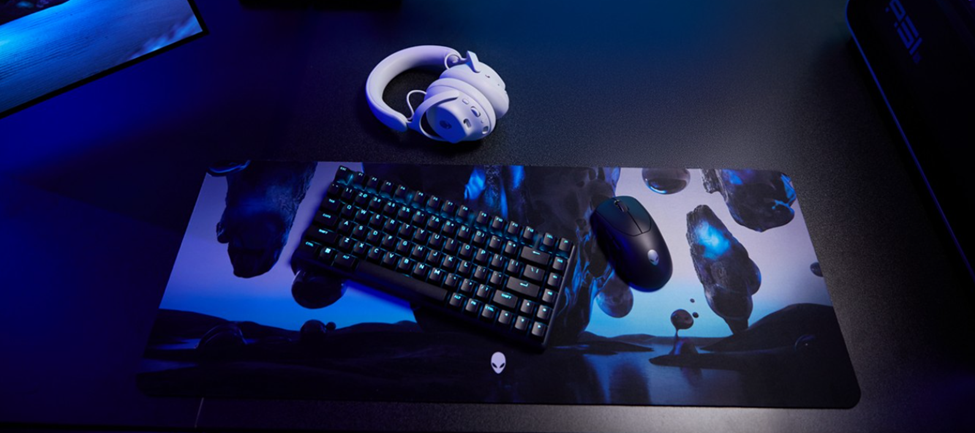
The Alienware Pro Wireless Mouse uses what we call Magnetic-Force Keyplates — optical detection combined with magnetic actuation. After each click, the button resets via magnetic repulsion rather than a spring. Springs lose tension gradually over millions of actuations, which subtly changes how a click feels over time. Magnets don't work that way. The reset force on click one and click seventy million is the same. The magnetic return is also faster than a spring, which makes a difference in scenarios involving rapid successive inputs — drag-clicking, burst-fire, anything where the interval between clicks is the limiting factor.
Alienware carries both optical and traditional gaming mice — check them out here.

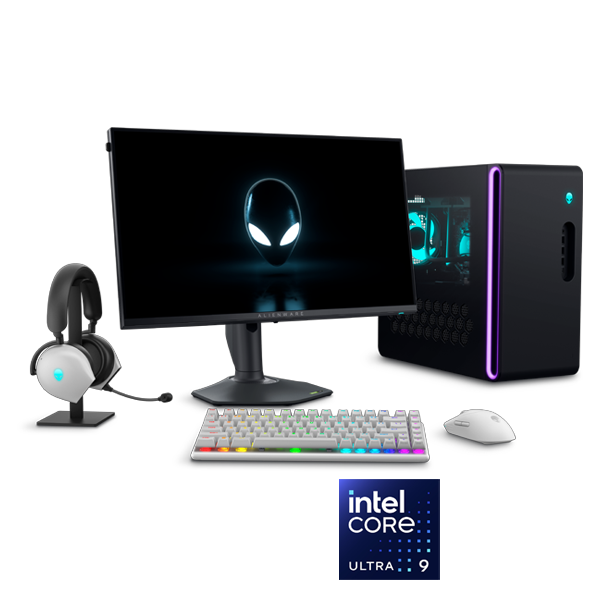

Now Building: Alienware Retro Brick Kits!
TL;DR: Alienware announces the introduction of two new brick kits, made with Authentic Lego® bricks, which join the Area-51 desktop and desk in our community brick kit lineup

Optical vs Mechanical Mouse Switches: Which Is Faster?
Optical vs Mechanical Mouse Switches: Which Is Faster?

Why OLED gaming monitors have incredible HDR and contrast
Why OLED gaming monitors have incredible HDR and contrast

What are response times and why do they matter when gaming?
What are response times and why do they matter when gaming?

The Return of Area-51
BY MATT MCGOWAN | JANUARY 6, 2025 @ 8PM PT Alienware is reintroducing the iconic Area-51 back into the

New Alienware 27 4K QD-OLED Gaming Monitor is Here to Elevate Your Game
BY YOON LEE | JANUARY 6, 2025 @ 8:00Alienware continues to lead in gaming monitor technology with QD-OLED advancements. After captivating gamers first with our